More about the project:
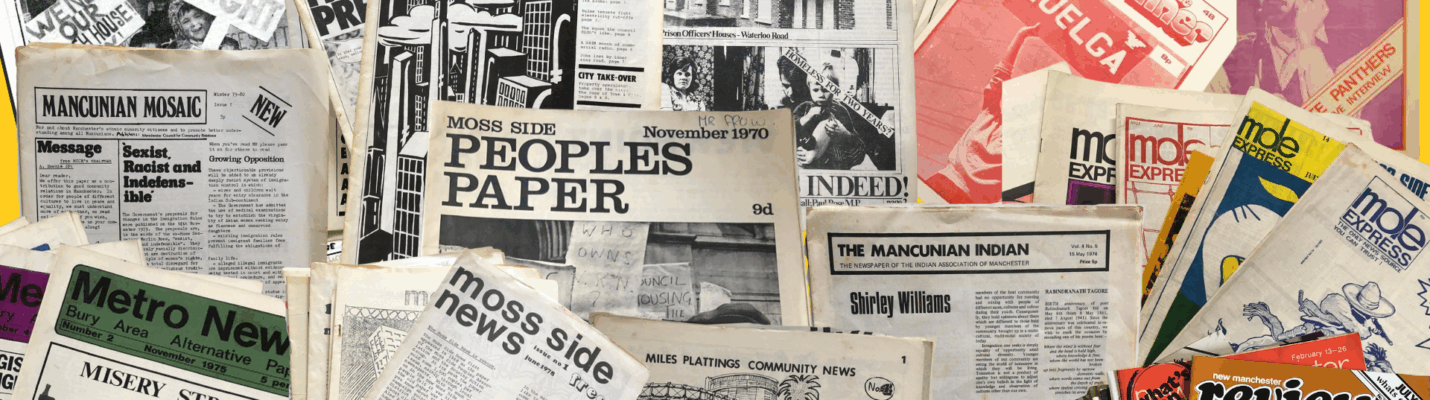
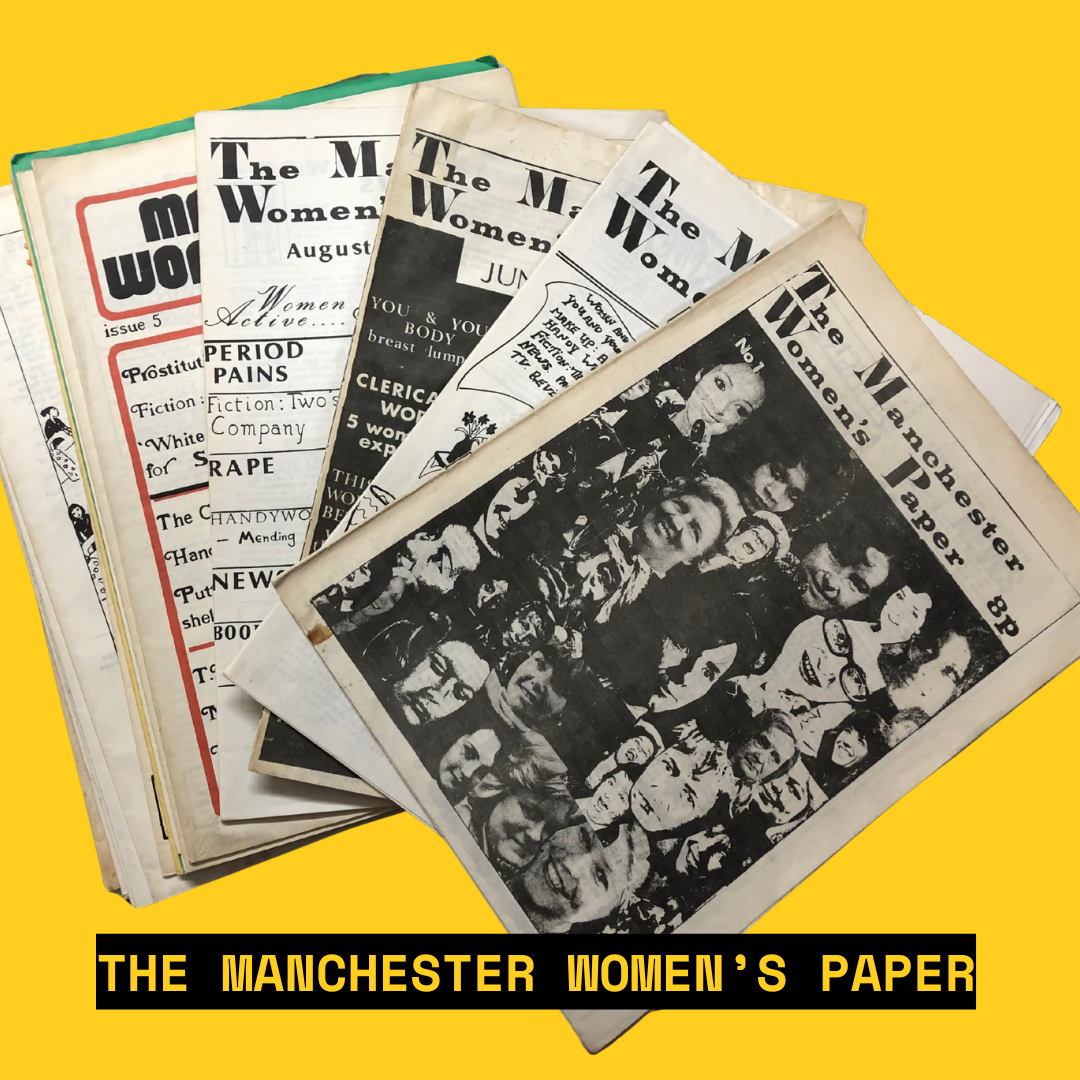
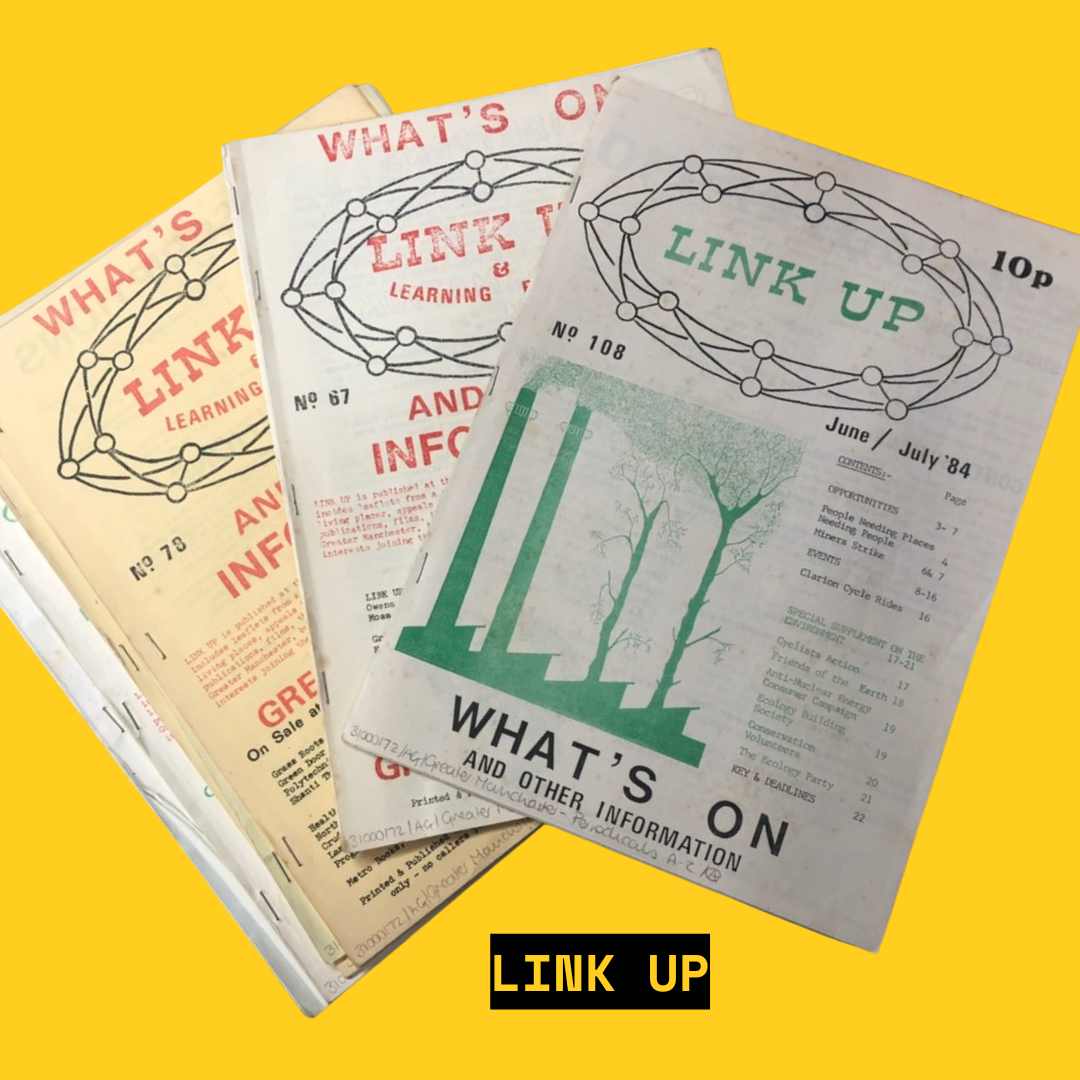
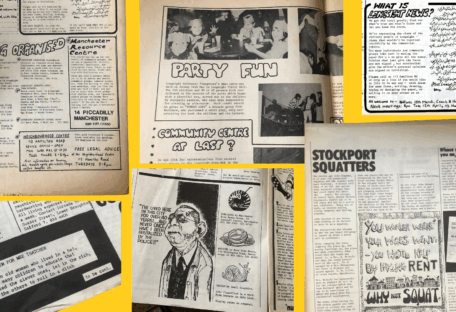
While there are a couple of more well-known “alternative” newspapers and magazines from the 1970s that have received more recent coverage — such as the Mole Express in Manchester, which was also written about previously on the WCML blog — this period saw a blossoming of local and DIY publishing growing out of the underground cultural and activist scene. This was particularly important for and connected to new forms of grassroots politics and community organizing that were emerging, which were often building their networks and circulating information outside of or adjacent to official (and traditionally top-down) systems of electoral politics or trade unions’ publishing. With new methods of cheap printing, these “alternative” papers were often creative and crowdsourced projects developed collectively by small groups of people to meet a particular need of sharing information, news and resources.
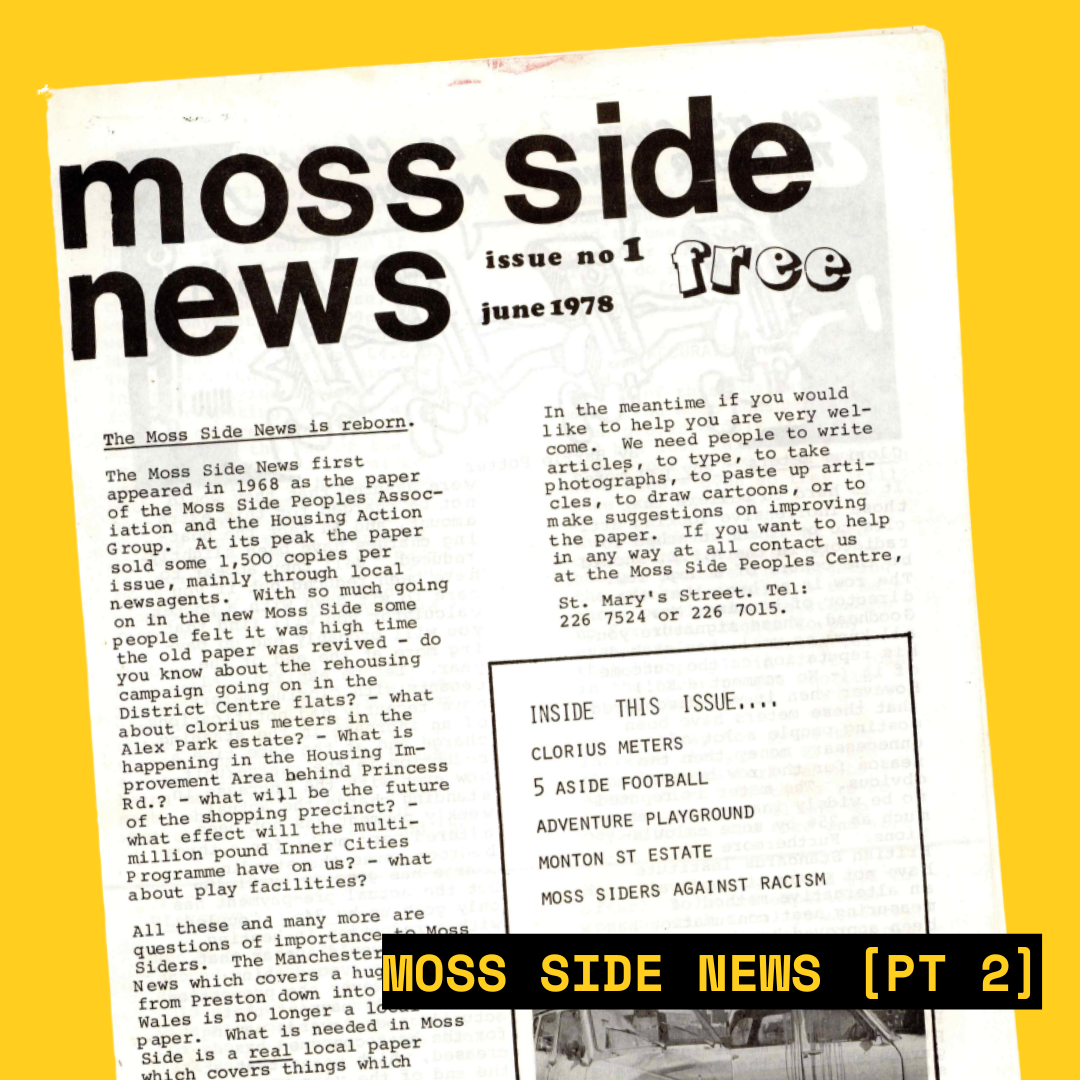
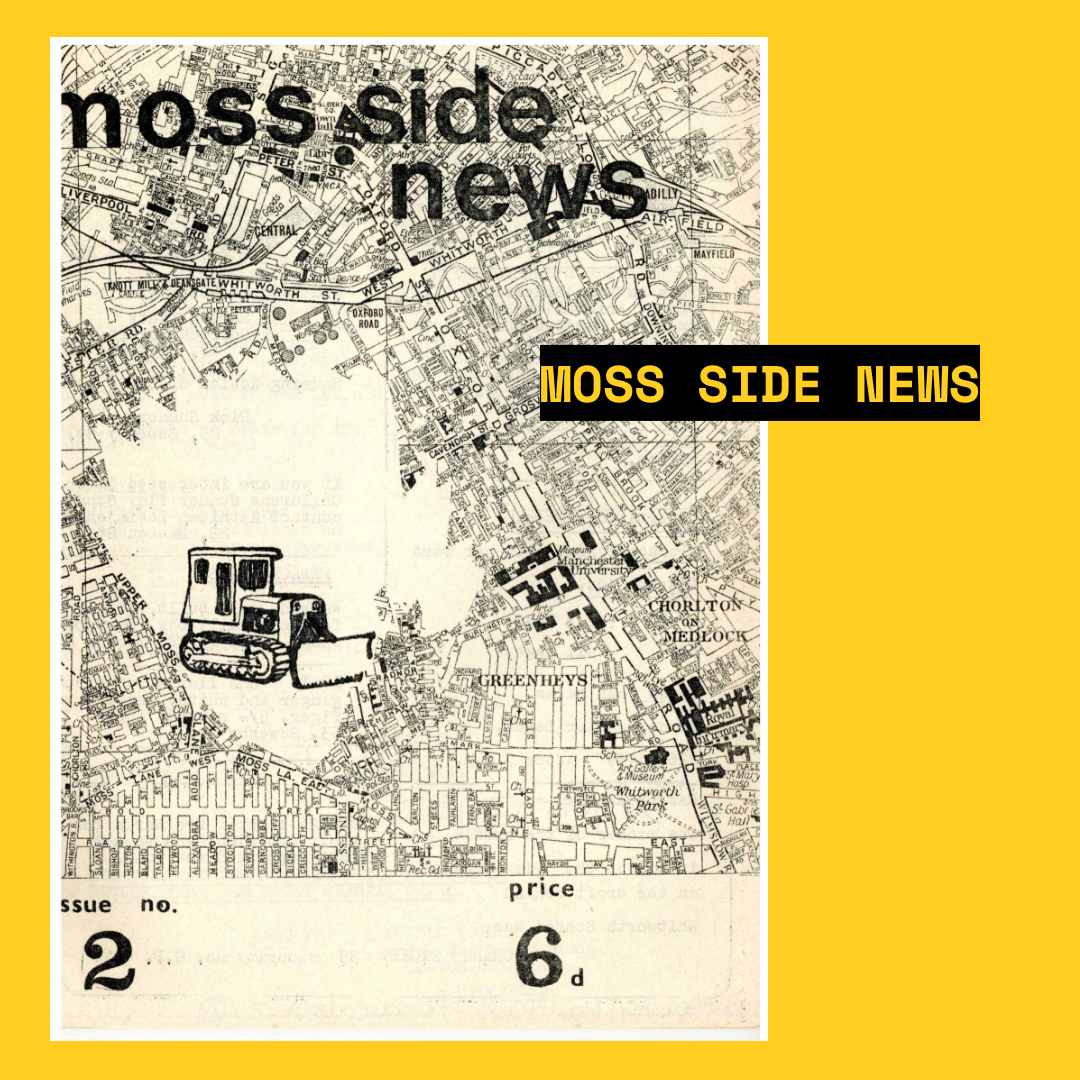
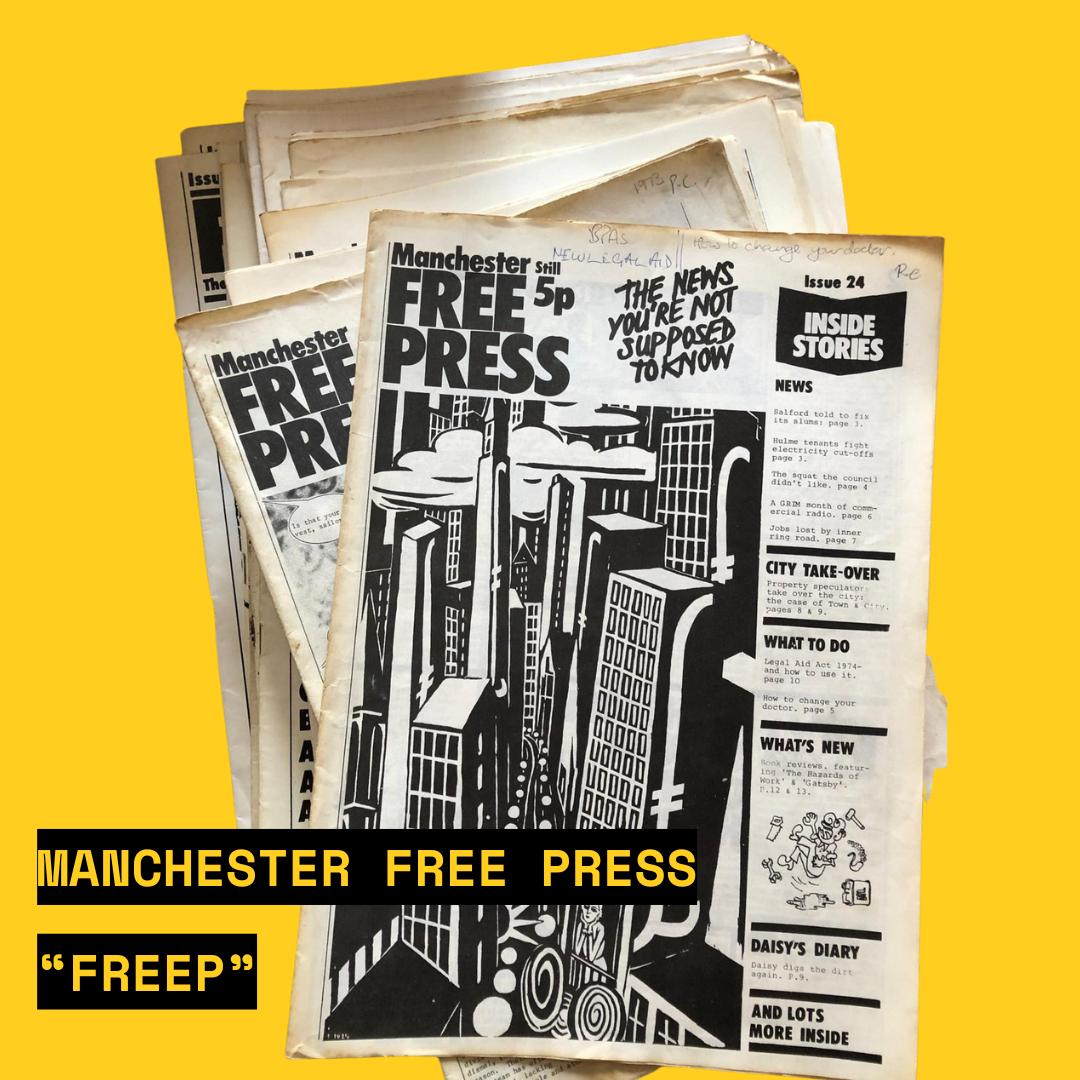
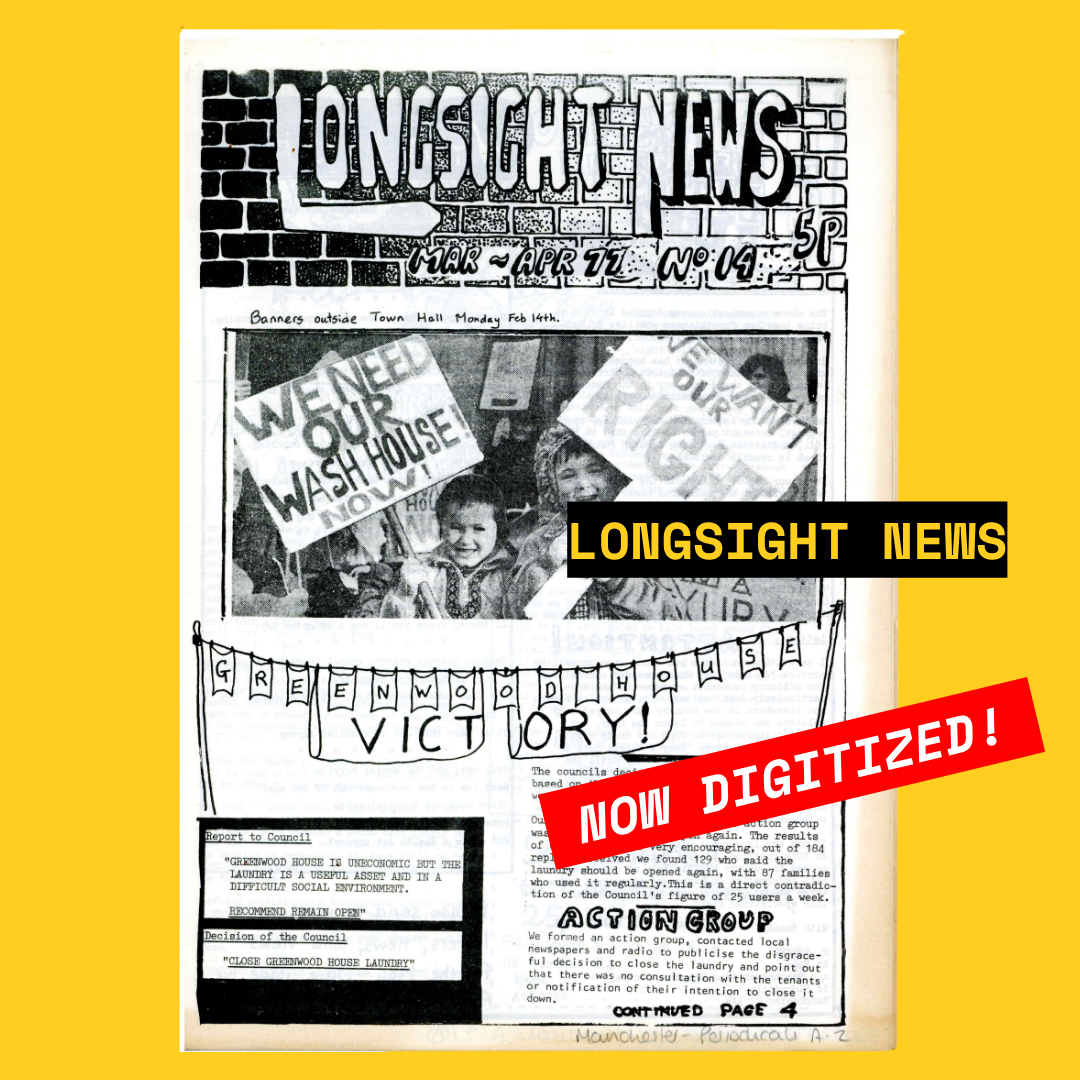
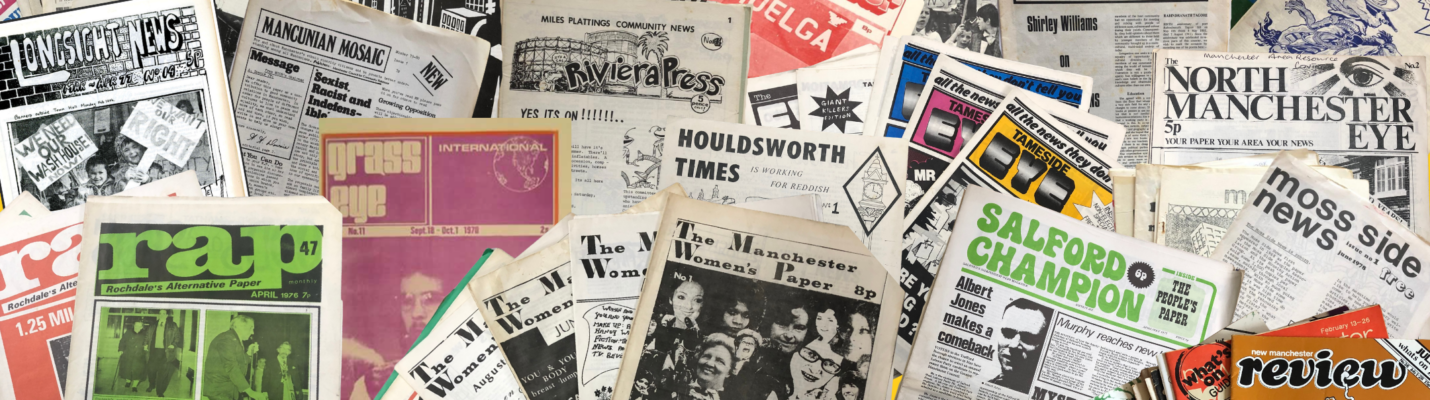
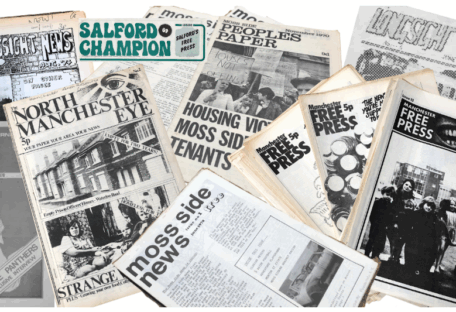
In some cases, as mentioned above, these were more affiliated with the underground or counterculture scene, often with a particular focus on music or a more general scope of the city. The Mole Express and Grass Eye, for example, are two perhaps more well-known magazines offering (in the case of Mole Express) “a glimpse of the anarcho, post-hippy subculture in Manchester,” as Dave Haslam recounts on the Manchester Digital Music Archive website. The Manchester Free Press (affectionately known as “Freep”), formed initially as an alternative newsheet during a newspaper work stoppage, aimed to print “the news you’re not supposed to know.” In many cases, and with a history that is much less well documented, these papers also focused on specific local neighborhoods: from the North Manchester Eye to Moss Side News to Longsight News and beyond. While practically unknown to today’s generation of Mancunians (especially as they often don’t appear to exist on the internet), these “people’s papers” provide a fascinating snapshot of everyday life and politics in Greater Manchester from this time period. We hope this project can contribute to their further (re)discovery and continued engagement!