
Revisiting 1970s Manchester
As one part of wrapping up her research placement, PhD student Arielle shares some highlights from her recent People’s Papers event spotlighting Manchester’s legacy of 1970s alternative and community newspapers and broader grassroots urban activism.
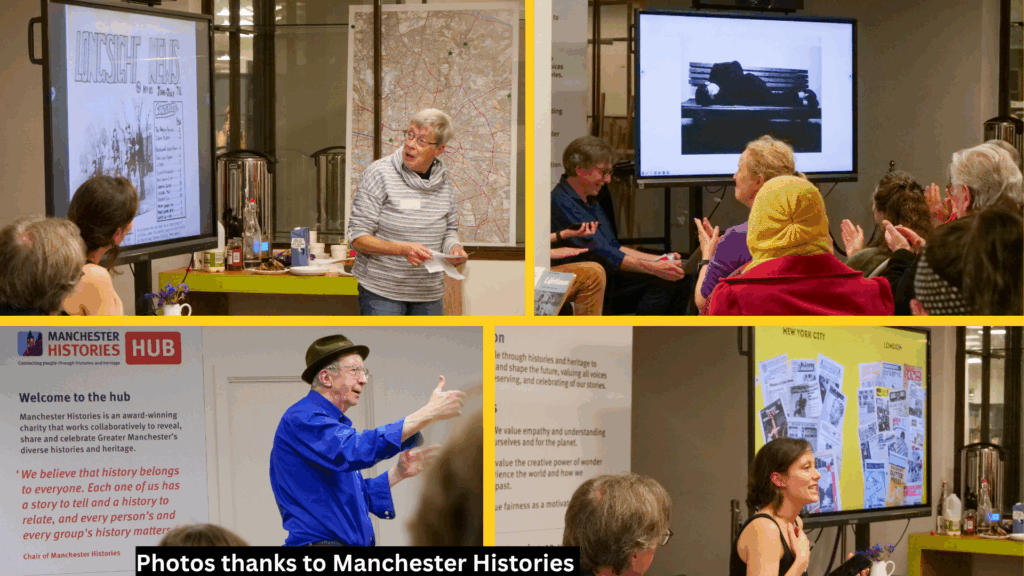
In early November, I organized an in-person event at the Manchester Central Library in collaboration with Manchester Histories and the AIU Race Centre to share a public presentation of the People’s Papers project and, perhaps most importantly, to hear directly from those who were involved with this kind of alternative publishing and activism in the 1970s. While I had already talked with a few participants previously and learned so much in the process, this event was an amazing chance to get to hear from more people in the audience sharing about their experiences and actively in dialogue with each other as well as to contextualize these papers and forms of publishing within a much broader historical, social political context of the city. There were some really fascinating projects and stories shared that hopefully we’ll find ways of further documenting and making more accessible online in the future!
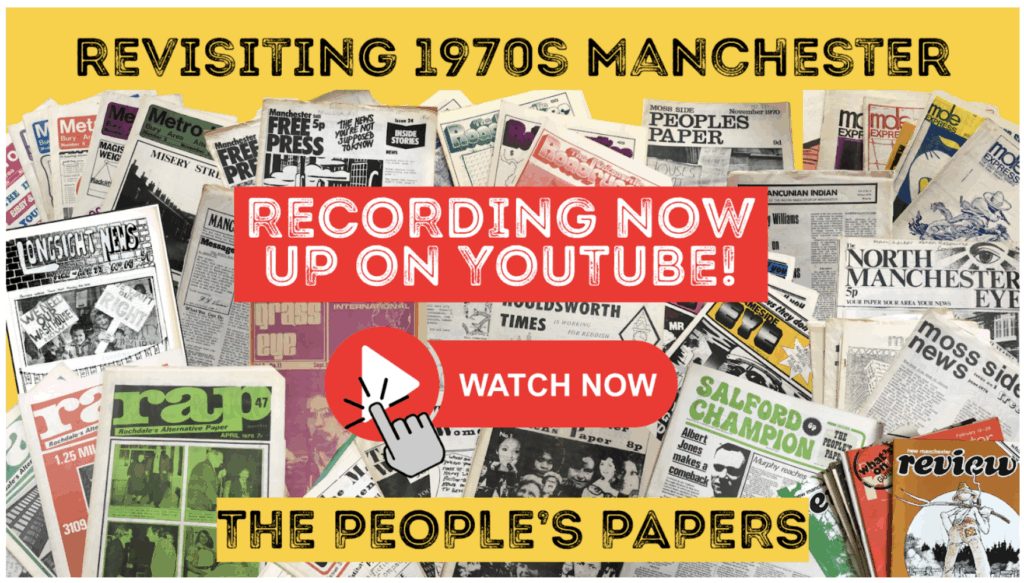
In the meantime, you can watch a recording of the event on Youtube here:
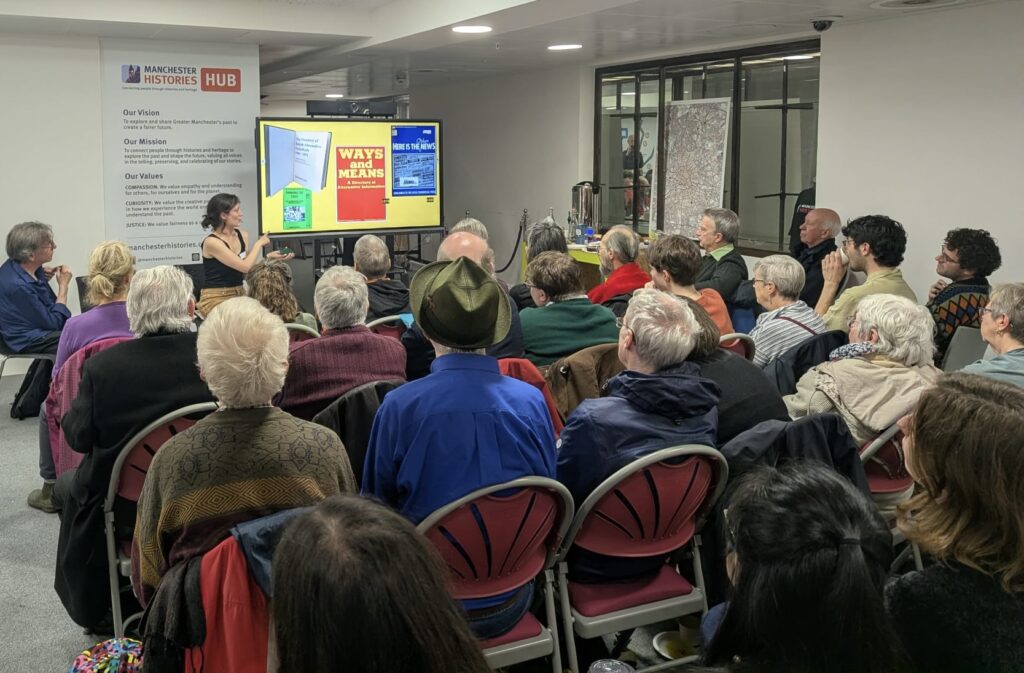
In my brief presentation, I shared about how my interest in these types of publications connects to the spatial politics and grassroots urban history that they capture. Along with covering the history of these various publications, we also discussed the importance of particular places and projects that are both documented within these archival materials (especially via the directories mentioned in a previous blog post) as well as those that were central to their production.
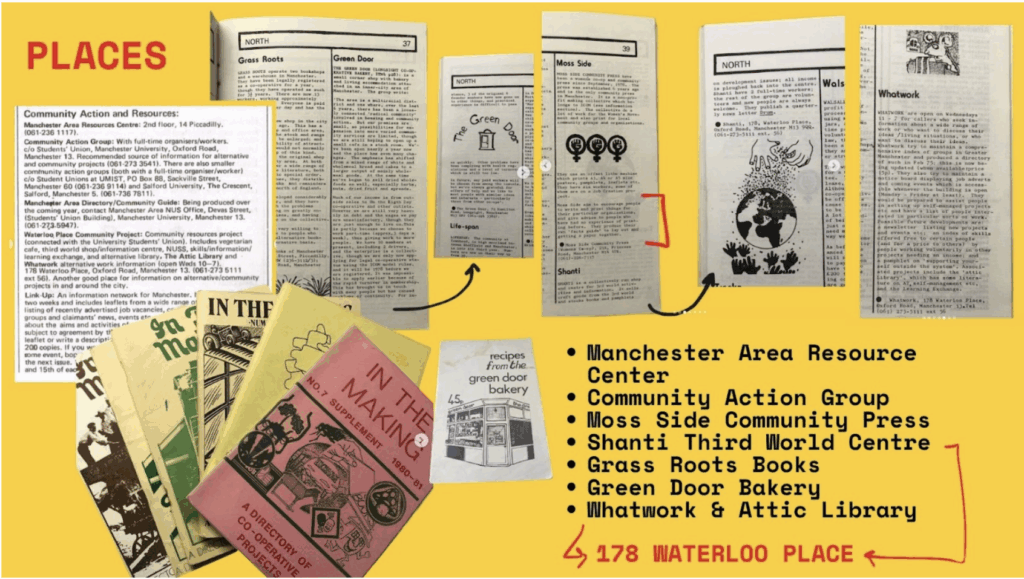
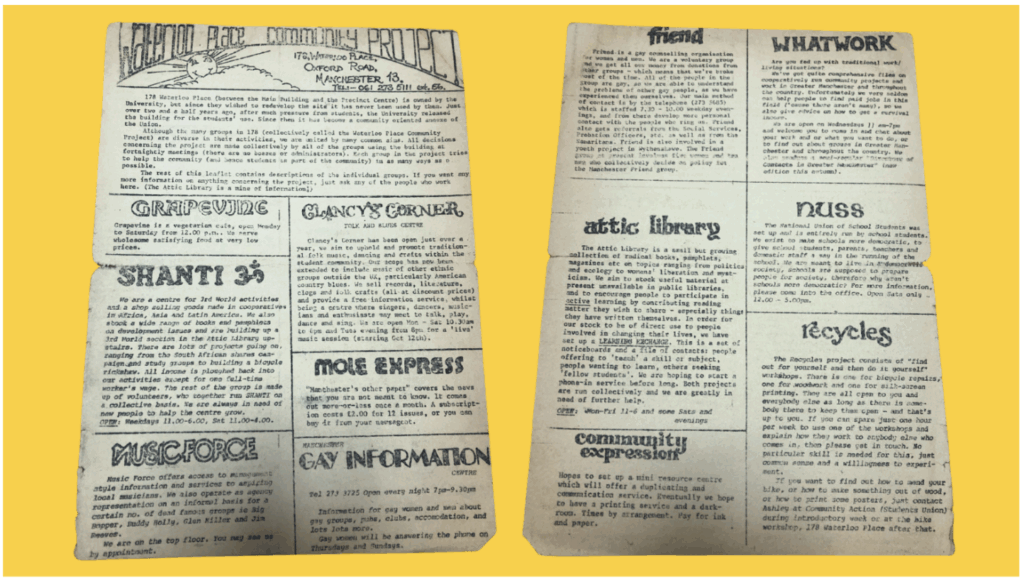
This importantly included print shops like the Moss Side Community Press, which was an absolutely vital infrastructure for printing many of these community papers, as well as the cooperatively run Grass Roots Books, which again provided an important means and point of distribution and circulation (and which now has its archives at the Central Library). Another key place that came up a number of times was Waterloo Place on the University of Manchester’s campus. Facing threats of demolition by the University in the 1970s it was initially occupied and then given over as “a community oriented annexe of the [Student] Union” — as a flyer one person shared as the event described it. Providing an initial home to many new projects and groups at this time, it served as one important center and shared space of alternative, grassroots and countercultural politics that unfortunately has little recognition or commemoration today, at least on campus.
Dave Carter also provided a very helpful historical context to the project, talking about how it was an important moment when student and community politics and activism overlapped and created new possibilities. As part of a recurrent theme, he talked about how the student occupations and pressure on the university around this particular building and what would become known as The Squat as well as even the Pankhurst Centre was what saved them (at least for awhile in the case of The Squat) from demolition. More about this history, including Dave’s reflections, are posted on Instagram here.
We also had a whole range of contributions, including a presentation from Bob Dickinson sharing about his experiences with and writing about Manchester’s alternative press and Maggie Walker sharing about Longsight News as well Bob Jones talking about Mole Express and many others!
We also had a table full of materials people brought to share as well as AIU Race Centre’s collection of Moss Side News on display.
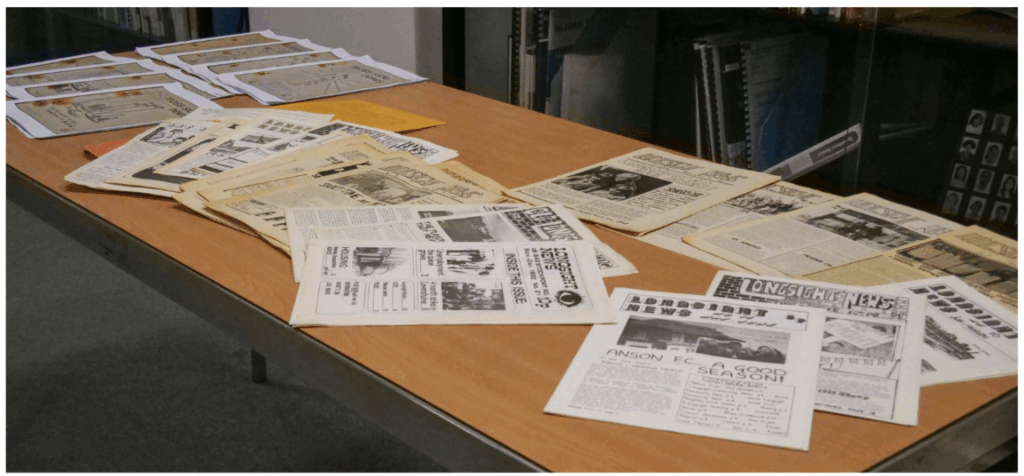
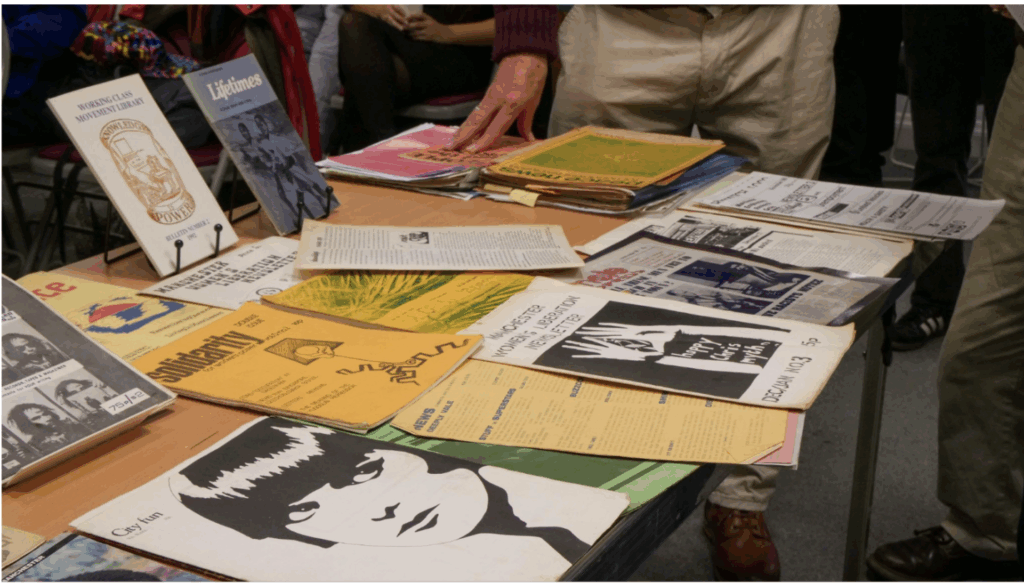
There were many more interesting reflections and experiences of 1970s Manchester shared, so I would really recommend checking out the full recording if you’re interested! You can also learn more about or get regular updates on this project via Instagram or Bluesky.
As a follow up to the event, we also sent out an email to everyone who RSVPed with links to more information. We have that re-shared below in case it’s of interest.
Arielle Lawson
________________________________________________________________________
Hi all,
Thanks to everyone who joined us last week for The People’s Papers: Revisiting 1970s Manchester and especially everyone who contributed and shared their reflections! It was really amazing to have so many people with all of these experiences and insights in the room together and I at least learned so much in the process! I hope we can find more ways to continue the conversation and make these histories more accessible (at least another event specifically on 1970s publishing practices!), so if you have any ideas please feel free to be in touch.
If you missed it or would like to re-watch or share it, the recording of the event will be up on the Working Class Movement’s Library’s Youtube page very soon, so stay tuned. Additionally, as I mentioned, I will share some resources for learning more below.
First off, if you’d like to learn more about this archival research with the Working Class Movement Library, I’ve been posting updates on the People’s Papers instagram account. This includes some “paper profiles” about different newspapers in the archive as well as highlighting other related research. I’ve also been sharing some reflections on the research process via the following blog posts:
- The People’s Papers: Exploring Greater Manchester’s Activist Neighbourhood Newspapers from the 1970s
- Research spotlight: Learning from Leeds, Liverpool and Birmingham — this one also includes a link to a Youtube recording of an event on “Archiving the People’s Papers: Learning from Leeds, Liverpool and Birmingham.”
In wrapping up the project, I will also write up a final summary and catalogue guide that will be hosted on the Working Class Movement Library website, which will hopefully help make these archives more accessible for further research. We are also hoping to digitize more of these materials as well as feature them as part of an online or in-person exhibition at some point next year. If you have any questions about this research so far or would like to be involved, please get in touch!
For anyone interested in further research on the topic or on Manchester more broadly, there are also a number of different local archives to explore further such as the AIU RACE Centre (including their collection of Moss Side News, which was on display at the event!), the Central Library (which has the Grass Roots Books archive that Maggie mentioned was recently compiled), the John Rylands Library (who’s pop collection holds Bob Dickinson’s personal papers), the People’s History Museum (which also has an amazing community newspaper collection for the UK) and of course the Manchester Digital Music Archive (which has digitized the Mole Express).
Broadening the geographic scope beyond Manchester, there’s also other resources and some of these kinds of community newspapers available a bit ad hoc on the internet or stored in local archives, so definitely worth some searching if you’re interested in learning more about these kinds of papers in other parts of the country! Some digitized examples of community newspapers include: Hackney People’s Press (and history more broadly), Muther Grumble online archive, Chapeltown News from Leeds, SE1 Community Newspaper from London, Red Rag from Reading, a website on Radical Brighton, and many others. There’s also the Radical Bookselling History group, which has some great resources for learning more too.
As for more related events, you can also follow or join the email list for Manchester Histories (which hosted the event at their “hub”) and the other organizations mentioned above. The Working Class Movement Library’s annual Radical Reading event is coming up on the 18th and they have a busy mix of other upcoming online and in-person events as well.
Otherwise, there’s lots more but that’s what I have for now! Thanks again to everyone for participating and I hope we can keep the conversation going.
All the best,
Arielle